

 By Selwyn Duke
As a child of the ’70s and ’80s, I, along with my age mates, remember Cold War nuclear annihilation fears well. Oh, I was born after “duck and cover” days, but we did, for example, have the post-apocalyptic 1983 film The Day After, which portrayed a nuclear war’s consequences. Watched by 100 million-plus Americans — more than half our adult population at the time — it’s credited for creating impetus for policies that reduced the atomic threat. Even then-president Ronald Reagan was “greatly depressed” by the movie, as he wrote in his diary, and it stiffened his resolve to, as he put it, ensure “there is never a nuclear war.”
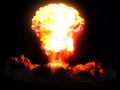
That was then. Judging from people’s concerns today, you could think nuclear weapons had gone the way of the dodo. Americans are focused elsewhere, with young people worried about “climate change” and many doomsayers sounding an alarm over artificial intelligence (which may be problematic). But the atomic threat still very much looms. In fact, says a Harvard academic, nuclear war may be closer than ever.









 selwynduke.com